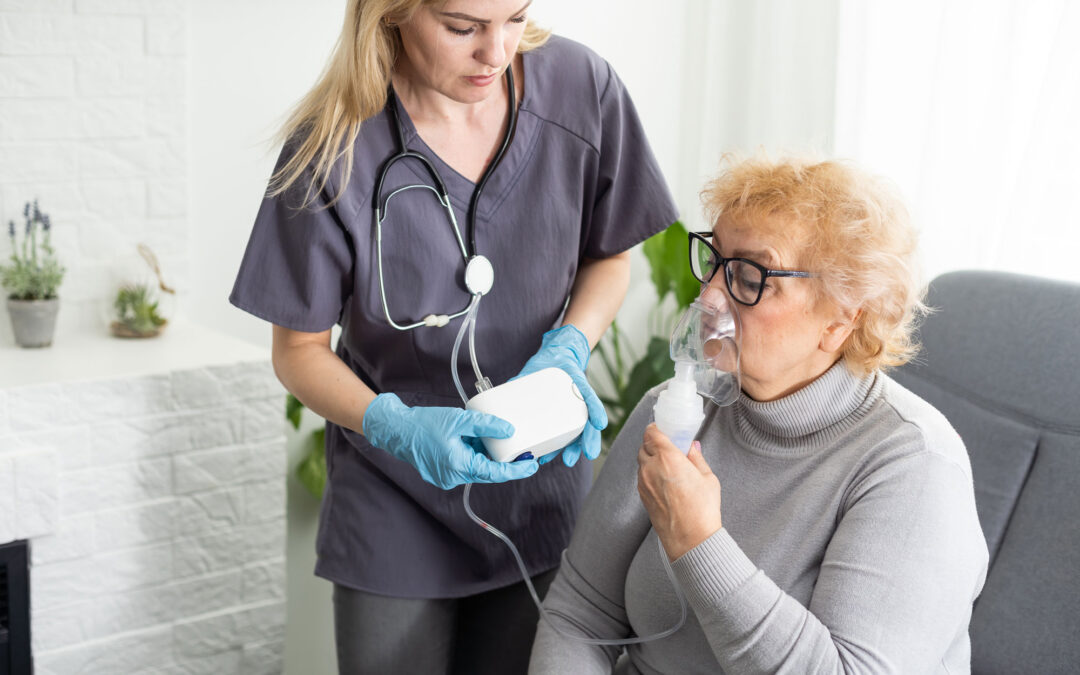
For many patients, access to traditional in-person healthcare is limited by geography, mobility, transportation, or provider availability. Remote care and virtual hospitals have become essential solutions for reaching individuals in rural communities, underserved areas, and homebound populations. By bringing medical services directly to patients through technology, virtual care is helping close critical gaps in healthcare access.
As healthcare continues to evolve, virtual hospitals are changing how care is delivered beyond traditional facilities. While telehealth platforms and digital tools often take center stage, strong biomedical (biomed) services provide the foundation that keeps virtual care safe, reliable, and compliant.
Virtual hospitals depend on interconnected devices such as remote monitoring systems, telehealth carts, wearable technology, and home-based medical equipment. Each piece plays a vital role in patient care. When equipment fails, workflows are disrupted and patient safety is placed at risk. Biomed teams serve as the backbone of these systems, ensuring consistent performance across dispersed care environments.
Unlike traditional hospital settings, virtual care expands biomed responsibilities into homes, community clinics, and mobile units. This decentralized model requires advanced coordination, technical expertise, and detailed documentation. Biomed professionals manage equipment performance, connectivity, and compliance to maintain uniform quality standards.
Preventive maintenance, proper installation, and routine performance testing remain essential in virtual settings. Biomed teams also provide remote troubleshooting and real-time monitoring to resolve issues quickly, minimizing downtime and allowing clinicians to continue delivering care without interruption.
Cybersecurity and regulatory compliance are equally critical. Connected devices must be protected against security threats while meeting accreditation and regulatory requirements. Biomed teams work closely with IT departments to manage updates, secure data transmission, and maintain accurate service records.
Effective asset management helps organizations control costs and improve reliability. Through inventory tracking, lifecycle planning, and standardization, biomed programs support long-term operational stability across multiple locations.
Healthcare organizations must also choose the right service model. In-house, outsourced, and hybrid biomed programs each offer distinct advantages. Many virtual care providers benefit from hybrid approaches that balance internal oversight with external expertise.
Strong biomed services deliver measurable value through reduced downtime, improved safety, and greater scalability. As virtual healthcare continues to grow, biomed professionals will play an increasingly strategic role by leveraging analytics, predictive maintenance, and integrated technology platforms.
Virtual hospitals are built on advanced technology, but they are sustained by dependable biomed services. By prioritizing maintenance, cybersecurity, and compliance, organizations can deliver consistent, high-quality care wherever patients are located.
If your organization is looking to strengthen its biomed program or expand remote and hospital-at-home services, ISS Solutions is here to help. Our experienced team provides reliable, scalable support tailored to your operational needs.
Contact ISS Solutions today to learn how we can support your virtual care initiatives.